
By: Patrick Cusick, President, WITS Experiential
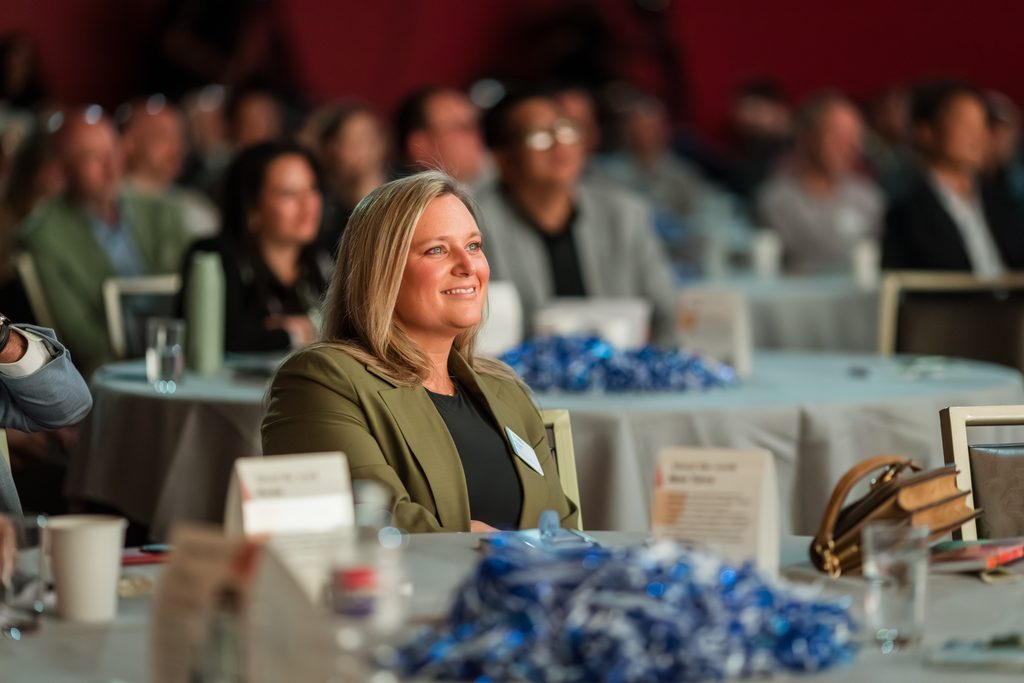
Imagine walking into a conference where every moment feels intentional: the lighting shifts to signal transitions, conversations spark naturally in thoughtfully designed spaces, and attendees leave with connections that outlast the event itself. Those types of touches are what it means to design an experience rather than simply host a conference.
Conference attendee engagement has become the metric that separates forgettable gatherings from business-driving experiences. According to the Walls.io Event Engagement Index 2026, 9 out of 10 professionals now expect to actively participate in events rather than passively consume content. The era of one-way information delivery is over.
Why Experience Strategy Drives Conference Success
Experience strategy is the discipline of intentionally designing every touchpoint of a conference to achieve specific attendee behaviors and business outcomes. Unlike traditional event planning, which focuses on logistics and programming, experience strategy starts with a different question: what do we want attendees to think, feel, and do?
Research from That Event Stack’s 2026 survey shows that attendees now rate the importance of every element of a conference (networking, speakers, exhibitors, deep-dives, and experiences) above 4.0 out of 5. That’s the new baseline, and with continued pressure on ROI, every component has to justify its presence.
At WITS Experiential, we use experience mapping, detailing the attendee journey, to make sure every moment is designed to drive measurable outcomes.
The 4 Pillars of Conference Engagement Design
The highest-rated conferences share common structural elements:
1. Pre-Event Activation
Engagement begins the moment registration opens. Research cited by All Along (originally reported by Event Manager Blog, 2025) found that attendees who receive structured pre-event connections attend materially more sessions than those who arrive without preparation.
- Strategic data capture: Capture attendee goals, challenges, and connection preferences at the registration website, not just contact information.
- Personalized outreach: Send communications that name specific people and sessions rather than generic “you might like” recommendations.
- Community building: Launch your event app or platform at least two weeks before the conference to build familiarity and anticipation.
2. First-Hour Experience Design
Effective first-hour design includes structured welcome activities, conversation starters, and light facilitation that gives every attendee an immediate connection point. At WITS Experiential, we build environments that use content, design, technology, and sensory-rich elements to bring brands to life from the moment attendees arrive.
The first 60 minutes of a conference determine whether attendees shift into engaged mode or retreat into passive observation. If attendees don’t have a name and a face they connect with in that window, the social cost of speaking to strangers climbs rapidly
3. Journey Orchestration
Conference engagement requires an intentional rhythm that aligns people, purpose, and place.
- Format variety: Mix shorter keynotes, deeper workshops, protected networking blocks, and interactive experiences. The same 2026 attendee research found that deep-dive sessions climbed 39% in perceived value, as attendees increasingly demand hands-on learning alongside traditional presentations.
- Spatial design: Anchor the event around a central hub, surrounded by spaces that support different needs like focused learning, small-group discussion, and casual networking.
- Scheduled downtime: Protected breaks between sessions let attendees process information and have meaningful conversations.
4. Measurable Touchpoints
Effective engagement design builds data capture into the experience itself, not as an afterthought but as touchpoints that inform real-time adjustments and post-event analysis. WITS Experiential integrates event technology that supports digital engagement monitoring and ROI measurement, so clients can see the impact of their investment and identify which elements deliver the greatest return.
Where Most Conference Engagement Falls Apart
Freeman’s 2025 Experience Trends Report (reported by PCMA and cited in All Along’s field notes) found that only about 40% of organizer teams actively manage attendee networking at their own events. The other 60% treat it as something that happens on its own, despite 51% of attendees citing successful networking as a key reason they come back.
That gap is the engagement-strategy problem in one sentence: the thing attendees value most is the thing most teams leave unmanaged. Three patterns explain why:
- Agenda overload: Programs packed wall-to-wall with sessions leave no room for engagement to sit inside.
- Technology gaps: A standard registration approach rather than behavior tracking means organizers can’t see who’s doing what.
- Satisfaction-only metrics: Measuring satisfaction alone produces warm feelings but no steering input.
Interactive Formats That Drive Engagement
The Walls.io Event Engagement Index 2026 found that interactive formats such as Q&A sessions, polls, and visible participation on event screens, are strongly favored over static presentations, and that 66.7% of attendees are very likely to share content when given the opportunity. Here’s how to incorporate them:
Structured Networking Sessions: Speed networking, roundtable discussions, and facilitated matchmaking create defined spaces where connections happen by design rather than chance, removing the awkwardness of cold introductions.
Participatory Content Formats: Hands-on workshops, problem-solving breakouts, and interactive demonstrations engage attendees as contributors rather than consumers, but attendees need clear invitations to participate.
Technology-Enabled Interaction: Live polling, audience response systems, and real-time Q&A transform passive sessions into collaborative conversations. Visible participation validates engagement and encourages others to contribute.
At WITS Experiential, we incorporate features like AI headshot studios, photo booths, digital quizzes, and gamification as strategic touchpoints that drive engagement and capture valuable data, not just entertain.
Designing Spatial Experiences for Connection
Conference venue design directly shapes attendee behavior. ASAE’s research on experiential design shows that well-crafted experiences can shape culture, strengthen brand storytelling, and support the success of an organization’s social-impact initiatives.
Effective spatial design considers:
- Central hubs: A focal point that anchors activity and serves as a shared gathering place throughout the event.
- Transition zones: Spaces that invite lingering, conversation, and informal networking between sessions.
- Multi-sensory environments: Lighting, sound, textures, and visual elements that reinforce brand messaging and create emotional resonance.
Our team at WITS Experiential delivers 3-D environmental design that blends functionality with emotion, elevating both the attendee experience and brand recall.
The Post-Event Engagement Extension
Engagement doesn’t end when the closing keynote wraps. Within 48 hours, attendees need a structured way to maintain the relationships they started. Without it, the value of everything that came before leaks out within a week.
Effective post-event engagement includes:
- Personalized follow-up: Communications that reference specific connections, sessions attended, and stated goals.
- Resource delivery: Session recordings, presentation materials, and action guides that extend the learning experience.
- Connection facilitation: Contact sharing, introduction reminders, and community platforms that sustain relationships.
At WITS Experiential, we build targeted marketing and communications campaigns that carry engagement through the full arc of an event: before, during, and after.
Measuring Conference Engagement Success
Satisfaction scores tell you whether attendees felt good. Engagement metrics tell you whether the event drove business outcomes.
Leading indicators: registration field completion rates, session bookings per attendee, pre-event match acceptance rate.
Lagging indicators: sessions actually attended vs. booked, connections that converted to conversations, self-reported follow-up conversations in post-event surveys.
The point of measurement isn’t to grade the event. It’s to identify which elements carried the weight and which need refinement.
The Strategic Difference
Conference attendee engagement shouldn’t be considered only through a lens of better speakers or fancier venues. It’s designed through an intentional experience strategy that considers every touchpoint from registration to follow-up. It should be a strategic framework, not a budget line, that powers every decision.
Ready to design conferences that drive measurable engagement? Contact WITS Experiential to explore how our experience strategy and design services can transform your next event. With decades of experiential marketing expertise, we combine strategy and bold creativity with meticulous execution to create conferences where attendees don’t just show up. They connect, participate, and take action.